
झारखंड: लोहरदगा की हाटी ग्राम सभा ने चंगाई सभा और धर्मांतरण पर लगाई रोक, आईआरएस अधिकारी निशा उरांव | ReligiousConversionBan, TraditionalCulturePreservation, SarnaSanatanUnity
Jharkhand(courtesy-Nesha Oraon): झारखंड में धर्मांतरण एक बड़ी समस्या बनता जा रहा है और इसके खिलाफ राज्य के विभिन्न हिस्सों में मुहिम भी चलाई जा रही है। इसी कड़ी में लोहरदगा जिले के भंडरा थाना अंतर्गत हाटी ग्राम सभा ने अपने गांव में "चंगाई सभा" और धर्मांतरण की गतिविधियों पर स्थायी रोक लगाते हुए एक ऐतिहासिक शुरुआत की है। ग्राम सभा द्वारा गांव के प्रवेश स्थल पर एक "सूचना पट्ट" (बोर्ड) स्थापित किया गया है, जिसके माध्यम से पादरी, पास्टर और अन्य बाहरी व्यक्तियों के धर्मांतरण के उद्देश्य से गांव में आने पर पूरी तरह से प्रतिबंध लगा दिया गया है।
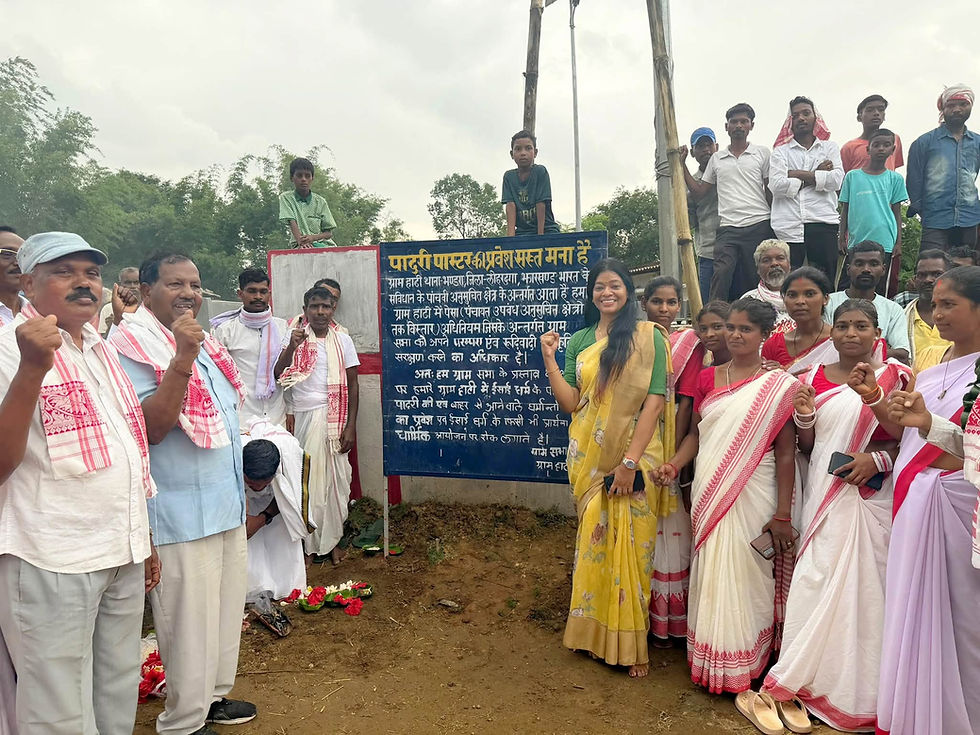
भारतीय राजस्व सेवा (IRS) अधिकारी निशा उरांव (निशा उरांव) ने सोशल मीडिया पर इस मामले की जानकारी साझा करते हुए इसका समर्थन किया और इसे पारंपरिक संस्कृति के संरक्षण की दिशा में एक बड़ा कदम बताया। हालांकि, उन्होंने इस निर्णय को लेकर फैलाई जा रही अफवाहों को साफ करते हुए स्पष्ट किया कि आखिर क्यों इस कदम की जरूरत थी। उन्होंने बताया कि यह प्रतिबंध केवल धर्मांतरण के उद्देश्य से आने वाले पादरियों पर लागू होता है, ईसाई धर्म को मानने वाले आम नागरिकों या गांववासियों पर इस तरह की कोई रोक नहीं है। हाटी गांव में इस दौरान एक महिला ने ईसाई धर्म छोड़कर अपने मूल धर्म में वापसी की, जिसका निशा उरांव ने गले लगाकर स्वागत किया और कथित चंगाई सभाओं की पोल भी खोली। उन्होंने कहा कि गांव में लगी यह पट्टी केवल एक सूचना पट्टी नहीं है, बल्कि यह गांव का स्वाभिमान और अपनी मूल धर्म-परंपरा को बचाने का एक दृढ़ संकल्प है।
ReligiousConversionBan, TraditionalCulturePreservation, SarnaSanatanUnity
इस निर्णय के कानूनी आधार को लेकर साझा की गई जानकारी में कहा गया है कि पूर्व में माननीय सर्वोच्च न्यायालय और छत्तीसगढ़ न्यायालय ने ग्राम सभा के ऐसे निर्णयों और सूचना पट्ट को संवैधानिक ठहराया है। इसके साथ ही संविधान के अनुच्छेद 25 और पेसा (PESA) कानून का हवाला देते हुए बताया गया है कि इसके तहत ग्राम सभा को अपनी परंपरा एवं रूढ़िवादी संस्कृति के संरक्षण और धर्मांतरण पर रोक लगाने का पूरा कानूनी अधिकार है। इस अभियान के सामाजिक संदर्भ में बताया गया है कि गांव के सनातनी परिवारों ने इस प्रयास में सरना समाज की मदद की है, जिसे "सरना-सनातन एकता" के सुंदर उदाहरण के रूप में प्रस्तुत किया गया है।
दूसरी ओर, पेसा कानून के तहत पारंपरिक व्यवस्था को अक्षुण्ण रखने की यह मांग अब खूंटी जिले तक पहुंच गई है, जहां लागू किए गए संशोधित पेसा कानून और गांवों में बनाई जा रही समितियों को लेकर स्थानीय स्तर पर विरोध के स्वर गूंजने लगे हैं। अखिल भारतीय सरना समाज के अध्यक्ष भीम सिंह मुंडा और अन्य स्थानीय आदिवासी संगठनों का कहना है कि गांवों में जो ग्रामसभा समितियां बनाई जा रही हैं, उनमें रूढ़िवादी जनजातीय समुदाय के लोग न होने से विरोध पनप रहा है। सरना समाज की मांग है कि पेसा कानून 1996 के तहत केवल रूढ़िवादी संस्कृति परंपरा को मानने वाली जनजातियों को ही 'हातु मुंडा' या पारंपरिक पदों पर नामित किया जाना चाहिए।
सरना समाज के अगुआ छूनकू मुंडा और डहरू पाहन जैसे स्थानीय प्रतिनिधियों का तर्क है कि जो लोग ईसाई धर्म अपना चुके हैं, वे पारंपरिक और धार्मिक निर्णय नहीं ले सकते, क्योंकि ऐसा होने से मूल रूढ़िवादी पुरातन सरना संस्कृति समाप्त हो जाएगी। समाज का आरोप है कि धर्मांतरित आदिवासी एक साथ दोहरा लाभ उठा रहे हैं, जिससे मूल पारंपरिक आस्था को मानने वाले आदिवासी पीछे छूटते जा रहे हैं। संगठनों ने स्पष्ट किया है कि ग्राम प्रधान, पाहन और पड़हा राजा केवल प्रशासनिक पद नहीं हैं, बल्कि यह धार्मिक और सामाजिक जिम्मेदारियों से जुड़े पारंपरिक पद हैं। इसलिए पाहन (पुजारी) जैसे महत्वपूर्ण पारंपरिक पदों पर धर्मांतरित व्यक्तियों की नियुक्ति समाज के लिए नुकसानदायक है और गैर-पारंपरिक सभाओं को मान्यता देने का पुरजोर विरोध किया जाएगा। अपनी प्राचीन परंपराओं और संस्कृति के संरक्षण के इस संकल्प के साथ, अब झारखंड के कई अन्य गांवों में भी इस तरह की मुहिम चलाने की तैयारी की जा रही है। https://www.facebook.com/share/p/1BwQ81n2cz/
Jharkhand: Hati Gram Sabha of Lohardaga Bans Changai Sabha and Conversion; IRS Officer Nesha Oraon Shares Information
Lohardaga: Religious conversion is emerging as a major challenge in Jharkhand, prompting various campaigns across the state to counter it. In a significant move, the Hati Gram Sabha, under the Bhandra police station jurisdiction in Lohardaga district, has taken a historic step by imposing a permanent ban on "Changai Sabha" and conversion activities. The Gram Sabha has installed a "Notice Board" (Soochna Pattu) at the village entrance, completely restricting the entry of pastors, priests, and other outsiders coming with the intention of religious conversion.
Nesha Oraon, an officer of the Indian Revenue Service (IRS), shared this information on social media, expressing her support and calling it a major milestone toward preserving traditional culture. However, clearing the rumors surrounding this decision, she clarified the actual necessity of the move. She specified that the restriction applies strictly to pastors arriving for conversion purposes and does not bar ordinary village residents practicing Christianity. During this period in Hati village, when a local woman returned to her original faith after leaving Christianity, Nesha Oraon welcomed her warmly and exposed the realities of the alleged Changai Sabhas. She emphasized that this board is not merely a notice plate but a symbol of the village’s self-respect and a firm pledge to protect its original religious traditions.ReligiousConversionBan, TraditionalCulturePreservation, SarnaSanatanUnity
Regarding the legal foundation of this decision, the shared information states that the Supreme Court and the Chhattisgarh Court have previously upheld such Gram Sabha decisions and notice boards as constitutional. Furthermore, citing Article 25 of the Constitution and the PESA (Panchayat Extension to Scheduled Areas) Act, it was highlighted that the Gram Sabha possesses full legal authority to protect its traditional, customary culture and prevent conversion. In a social context, the local Sanatani families actively supported the Sarna community in this effort, presenting a fine example of "Sarna-Sanatan unity."
On the other hand, the demand to keep traditional systems intact under the PESA Act has now reached Khunti district, where local opposition is brewing against the recently amended PESA rules and the committees being formed in villages. Bhim Singh Munda, President of the All India Sarna Samaj, along with other local tribal organizations, stated that resentment is growing because these newly formed Gram Sabha committees lack representation from the traditional, customary tribal communities. The Sarna Samaj demands that under the PESA Act of 1996, only those tribals who follow the traditional customary culture should be designated as 'Hatu Munda' or appointed to traditional positions.
Local tribal leaders, including Chhoonku Munda and Dahru Pahan, argue that individuals who have converted to Christianity cannot make traditional and religious decisions for the community, as this would ultimately wipe out the ancient, original Sarna culture. The organizations allege that converted tribals are availing themselves of dual benefits, leaving those who adhere to the original traditional faith lagging behind. The bodies clarified that traditional offices like Gram Pradhan, Pahan, and Padha Raja are not merely administrative positions but are deeply tied to religious and social responsibilities. Therefore, appointing converted individuals to crucial traditional roles like Pahan (priest) is detrimental to the community, and any move to recognize non-traditional assemblies will be strongly opposed. With this collective resolve to protect ancient traditions and culture, preparations are underway to launch similar campaigns in several other villages across Jharkhand.


